Sigmar Polke
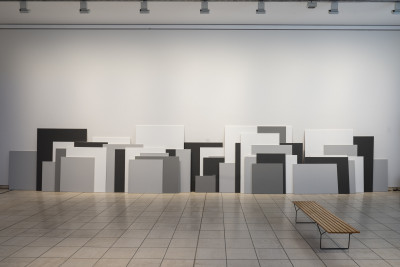
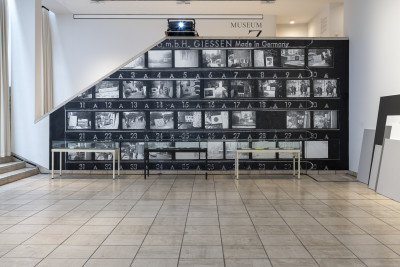
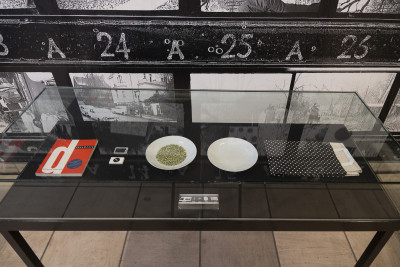
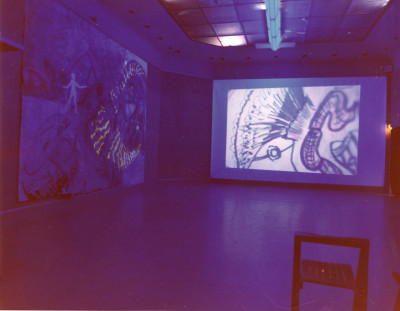
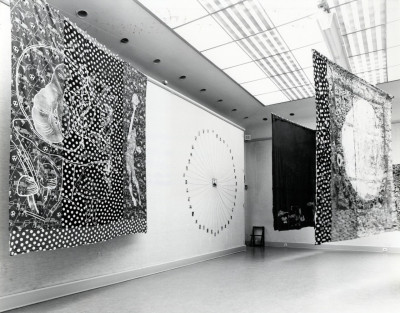
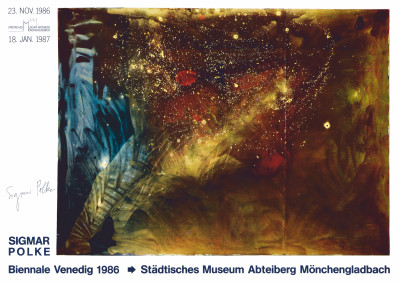
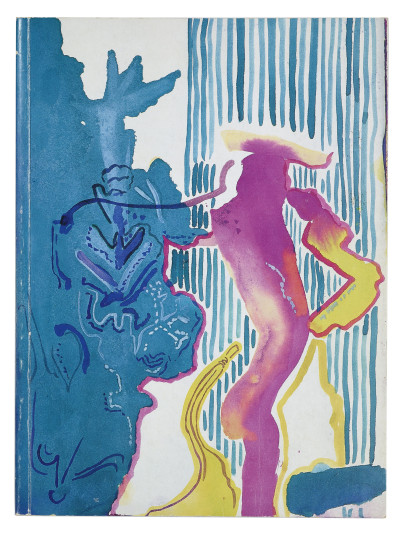
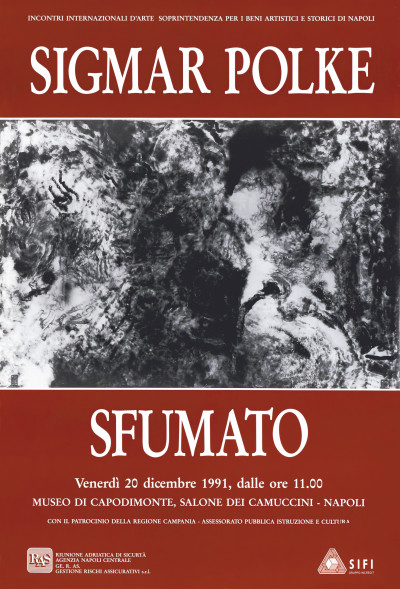
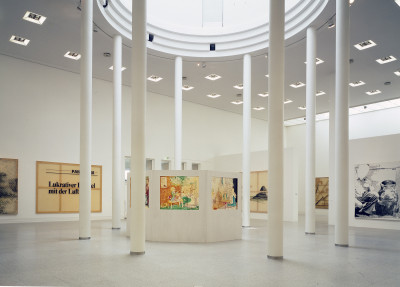
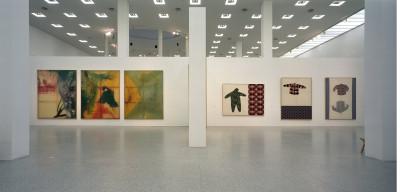
Sigmar Polke’s extensive oeuvre encompasses painting, works on paper, photography, film, objects, and graphic works. His unconventional and experimental use of different media and materials and his rich visual worlds made him one of the most influential postwar German artists, and his work still inspires artists today.
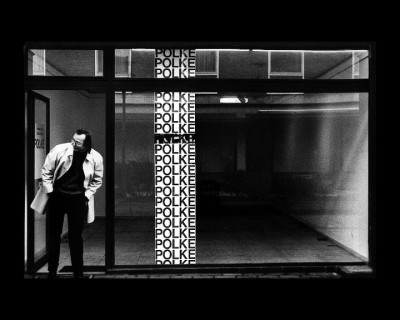
Sigmar Polke, quoted from Kunstnachrichten: Zeitschrift für internationale Kunst, 1976
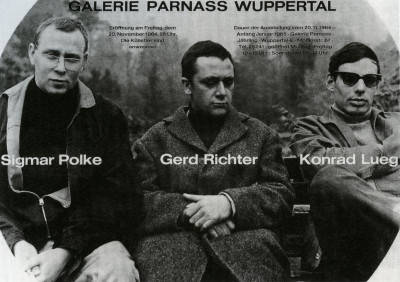
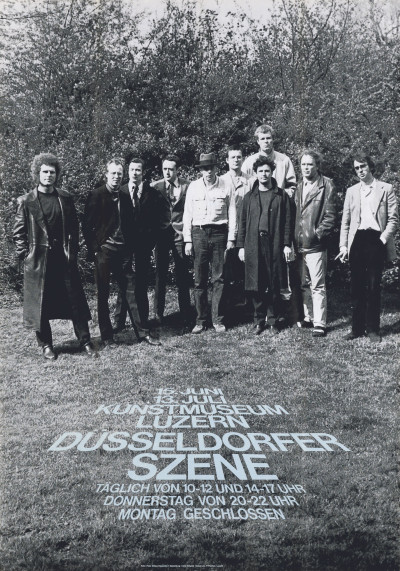
Sigmar Polke was born on February 13, 1941 in Oleśnica (Silesia). During the Second World War his family fled to Thuringia and then settled in Düsseldorf in 1953. Here, Sigmar Polke did an apprenticeship at a stained-glass maker, and subsequently, from 1961 to 1967, studied at the Kunstakademie Düsseldorf with Karl Otto Götz and Gerhard Hoehme. While he was still studying, he and his fellow students Manfred Kuttner, Konrad Lueg, and Gerhard Richter organised a public exhibition under the label Capitalist Realism. His first group and solo exhibitions at galleries followed in Düsseldorf, Cologne, Berlin, Hannover, and other cities, and he was later granted a professorship at the Hochschule für bildende Künste (HFBK) in Hamburg (1970/71). In the 1970s, Polke entered into lively exchange with artists and other creative people at his home—a former farm named Gaspelshof in Willich—and in Switzerland, traveled abroad (Afghanistan/Pakistan, New York), and had his first international exhibitions (Bienal de São Paulo, 1975). The first retrospective of his work was shown in Tübingen, Düsseldorf, and Eindhoven in 1976. Sigmar Polke moved to Cologne in 1978, where he lived and worked until his death on June 10, 2010.